
Photography Tips
Twilight Photography for Real Estate: Why It Sells Listings Faster
By Gary Murray · February 9, 2026
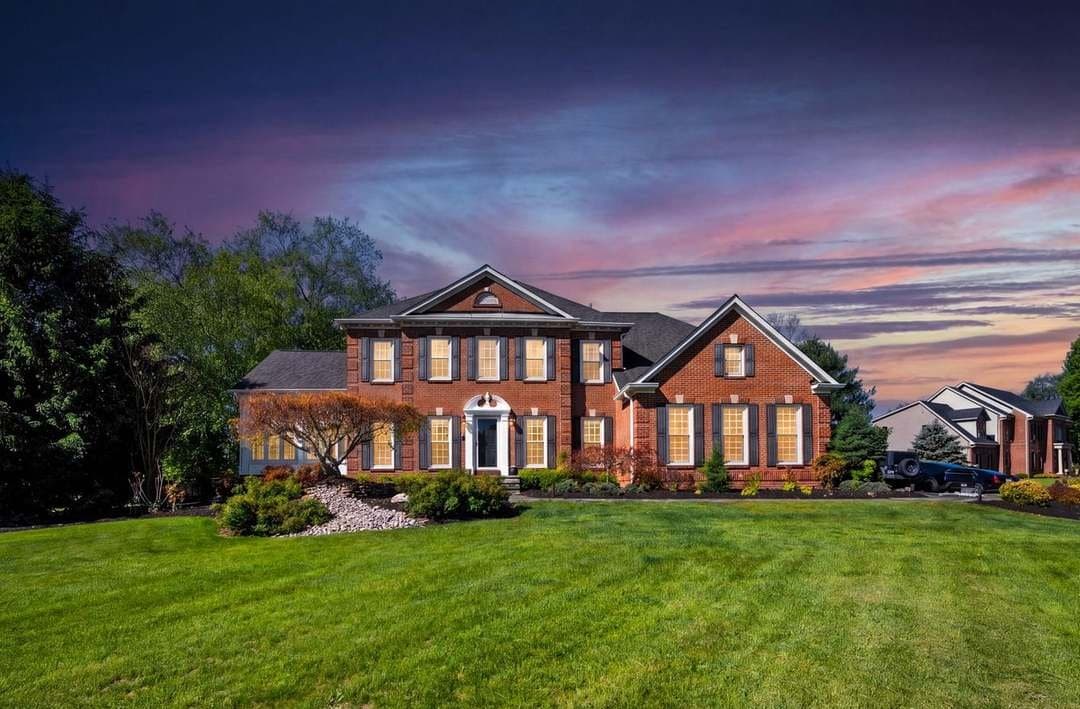
Scroll through any batch of listing photos and the exteriors almost all look the same: blue sky, bright sun, green lawn. Twilight photography is one of the few upgrades that reliably breaks that pattern — and it's one of the most requested add-ons for listings that are trying to stand out rather than just show up in a search result alongside a dozen nearly identical daytime shots.
What Twilight Photography Actually Is
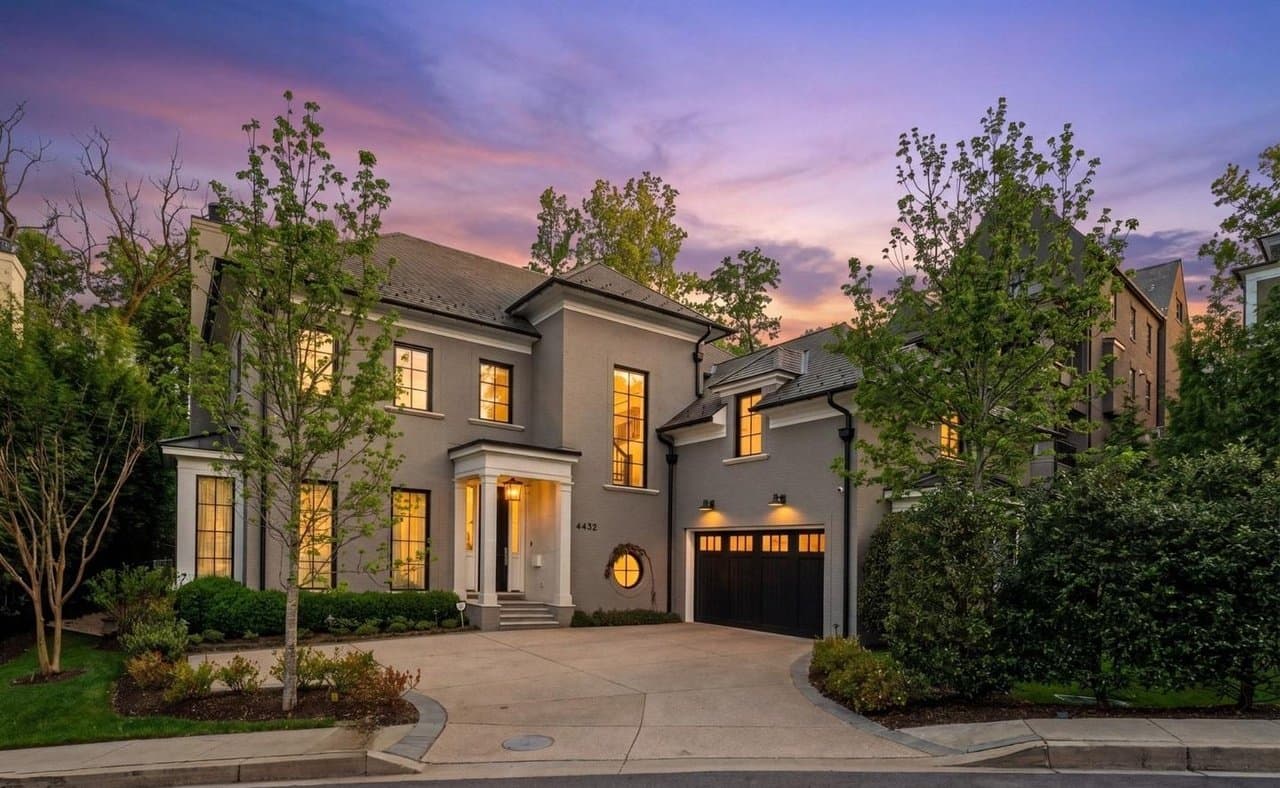
Twilight photography is shot during the window right around sunset — sometimes called golden hour for the warm light just before sunset, and blue hour for the deeper blue sky in the twenty or so minutes after. The exterior of the home is lit from inside (every light on, exterior fixtures on) while the sky still holds color, and the two exposures are blended together during editing. The result is a home that looks warm and inviting against a dramatic sky, instead of a flat daytime shot with a washed-out or overexposed sky.
Because the usable light window is short — usually 20 to 40 minutes — twilight shoots take more planning than a standard daytime session. Timing shifts with the season, and the shot has to be set up and ready before the light window opens, not during it. A photographer typically arrives well before sunset to set up the composition, confirm every interior and exterior light is on, and be ready to fire off the sequence of exposures the moment the sky reaches the right color.
The Technical Side: How the Blend Actually Works
A single twilight photo is rarely a single exposure. The dynamic range between a bright interior light and a darkening sky is too wide for a camera sensor to capture accurately in one shot — so the photographer takes multiple exposures at different settings (one for the sky, one for the interior lighting, sometimes more) and blends them together in post-processing. This is the same underlying HDR principle used in standard daytime interior photography, just applied to a much more dramatic lighting contrast.
This is also why twilight photography is priced as its own line item rather than folded into a standard package: it isn't just "the same photo taken later in the day." It requires a second site visit, a compressed shooting window, and more involved editing than a standard exterior shot.
Why It Works
The simplest explanation is also the accurate one: it looks different, and different gets noticed. In an MLS grid or a social feed full of near-identical daytime exteriors, a twilight shot is the one that makes someone stop scrolling. It also does something practical that daytime photography can't — it shows how the exterior lighting actually looks at night, which matters more than most sellers assume for evening curb appeal and for buyers who will realistically be arriving home after dark on weeknights.
There's also an emotional component that's hard to replicate any other way. A twilight photo with warm light glowing from inside the windows reads as "home" in a way a bright, clinical daytime shot doesn't. It's the same reason twilight and dusk shots dominate architectural and interior design photography generally — the format itself does some of the persuasion work, showing a lifestyle rather than just a structure.
Which Listings Benefit Most
- —Luxury and higher-price-point homes, where the photography is part of how the price gets justified
- —Homes with strong exterior lighting design — landscape lighting, lit walkways, or an illuminated pool or water feature
- —Properties with an attractive silhouette or architectural detail that reads well against a dusk sky
- —Pool homes, since twilight is when a lit pool photographs best and shows off the feature at its most appealing
- —Listings that have been sitting on the market with only daytime photos and need a refresh to generate renewed attention without a full price change
How to Know If Your Home Is a Good Twilight Candidate
Not every home benefits equally, and it's worth doing a quick self-assessment before adding it to a booking. Walk the exterior at dusk and ask a few questions: does the home have working exterior lighting, or would it photograph mostly dark? Are there interior lights that will read as warm and inviting through the windows, or are the front-facing rooms mostly unlit at that hour? Is there a feature — a pool, a covered porch, an architectural roofline — that looks better lit than in flat daylight?
If the honest answers are mostly yes, twilight is very likely worth the add-on cost. If the home has minimal exterior lighting and the front-facing rooms are typically dark in the evening, the same budget might be better spent on a drone shot or additional interior detail images instead.
Common Misconceptions About Twilight Photography
- —"It's just a filter" — it isn't. It's a separate, timed shoot with its own exposure blending, not a color adjustment applied after the fact to a daytime photo.
- —"Any time in the evening works" — the usable window is short and tied to actual sunset time, which shifts by more than an hour across the year.
- —"It only works for exteriors" — while exteriors are the most common use, interior rooms with strong window views can also benefit from being shot during the twilight window for a similar warm-glow effect.
- —"It's only for luxury homes" — luxury listings get the most consistent return on it, but any home with good exterior lighting and an attractive silhouette can benefit.
Cost and How to Add It
Twilight photography is almost always priced as an add-on rather than bundled into a standard package, since it requires a separate site visit timed to sunset rather than fitting into a standard daytime session. It's commonly available as a standalone add-on for a flat fee, or bundled into premium/luxury packages that already include advanced retouching. If a listing is a strong candidate — good exterior lighting, a higher price point, or a stalled listing that needs a refresh — it's worth asking about specifically rather than assuming it's automatically included.
Curious whether your listing is a good twilight candidate? Book a shoot and mention it, or take a look at what a full luxury photography package typically includes.
Ready to book a shoot?
Tell us about the listing and we'll recommend the right package.