
Pricing Guide
How Much Does Real Estate Photography Cost in Dallas–Fort Worth? (Pricing Guide)
By Gary Murray · January 12, 2026
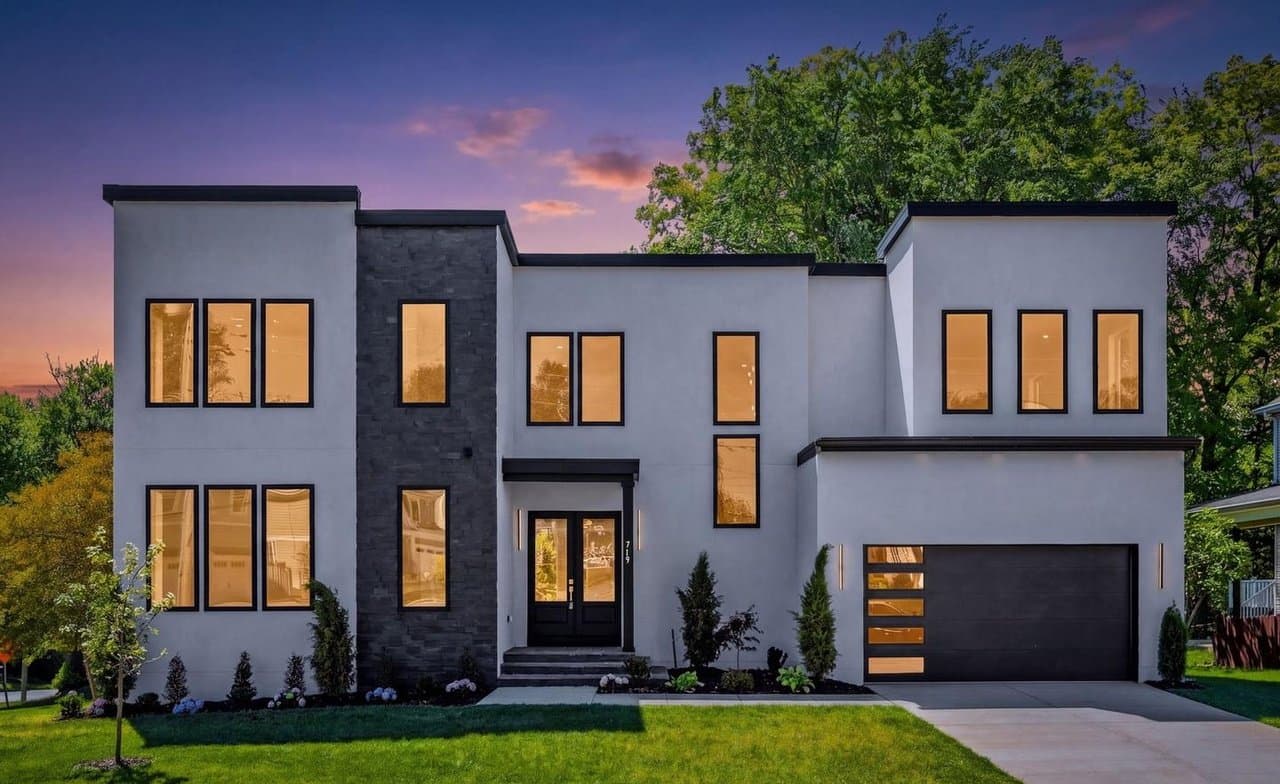
Ask ten agents what real estate photography should cost and you'll get ten different answers — because the honest answer is "it depends," and most explanations stop there. This guide breaks down exactly what drives the price of a listing shoot in the Dallas–Fort Worth market, what a typical package actually includes, what separates a $199 shoot from a $599 one, and how to figure out which package a given property needs before you ever pick up the phone.
This isn't a rate card. Every studio prices differently, and our own current numbers are always on our Pricing page. What follows is the reasoning behind the numbers — the factors that move price up or down regardless of which photographer you eventually book — so you can evaluate any quote you receive, not just ours.
What Actually Drives the Price
Real estate photography pricing isn't arbitrary, even though it can look that way from the outside. In practice, four factors move the number more than anything else, and understanding them makes it much easier to sanity-check a quote:
- —Square footage — larger homes take longer to shoot and produce more images to edit, so pricing scales with size, not a flat per-listing fee. A 1,500 sq ft starter home and a 6,000 sq ft estate are fundamentally different jobs, even with the same photographer using the same equipment.
- —Package tier — a basic HDR package and a premium luxury package use the same camera gear but very different editing time. Sky replacements, advanced retouching, object removal, and twilight timing all add hours on the back end that a client never sees but absolutely pays for.
- —Add-ons — drone coverage, virtual staging, floor plans, and rush delivery are priced separately because not every listing needs them, and bundling them into every package would mean sellers of modest homes subsidizing add-ons they'd never use.
- —Turnaround speed — standard delivery (usually next-day) costs less than same-day rush delivery, which requires editors to reprioritize their entire queue and often work outside normal hours to hit the deadline.
Typical Price Ranges by Service
Here's roughly what to expect across the services most DFW listings use. These are representative ranges based on common market pricing, not a quote — treat them as a sanity check for whatever number you're given, not a guarantee.
- —Standard HDR photography (homes under 2,000 sq ft): around $199–$249
- —Mid-size homes (2,000–5,000 sq ft): around $249–$449, scaling with square footage
- —Luxury/premium packages with advanced retouching and twilight editing: roughly $399–$599+
- —Drone photography: around $99 on its own, often bundled with a photo package
- —Drone video or a combined photo + video drone package: roughly $149–$199
- —Video walkthroughs: around $299–$599 depending on home size
- —Cinematic listing films (luxury): roughly $399 up to $1,500+ for longer, narrative-style films with color grading and licensed music
- —3D/360 virtual tours: around $149–$299 depending on square footage
- —Builder, commercial, and multifamily packages: usually quoted per project since scope varies widely, often landing between $500 and $5,000+
Standard vs. Premium: What the Editing Difference Actually Looks Like
The price gap between a basic package and a premium one rarely comes down to better cameras — it comes down to editing time, and editing time is invisible until you know what to look for. A standard HDR edit blends a handful of exposures per room to balance interior light against window brightness, corrects lens distortion, and adjusts color temperature. That's a fast, largely automated process per image.
A premium edit adds manual work on top of that baseline: replacing a flat or overcast sky with a clean blue one, pulling detail back into blown-out windows so the view outside is actually visible, removing distracting objects like trash cans or cars, straightening verticals more precisely, and — for twilight shots — blending a daytime exterior capture with a dusk sky and interior lighting. Each of those steps is done by hand, image by image, which is why premium packages cost more without necessarily using different equipment on-site.
What's Included vs. What's an Add-On
Most photographers structure pricing the same general way: a base package covers a set number of edited images with standard HDR processing and next-day delivery. Everything beyond that baseline is typically an add-on, priced separately because it isn't needed on every listing:
- —Twilight/dusk exterior photos — usually a flat add-on fee, not included in standard packages, since it requires a separate site visit timed to sunset
- —Virtual staging or virtual twilight — priced per image, since it requires manual editing work on each photo rather than a batch process
- —Object removal (trash cans, cars, cords) — also priced per image for the same reason
- —Floor plans — a flat add-on, generated from the same site visit using a separate scanning process
- —Agent on-camera introductions — an add-on clip, not part of standard photo or video packages, since it requires separate filming and editing
- —Rush delivery — a flat fee to bump your gallery to the front of the editing queue, sometimes meaning same-day delivery instead of next-day
When Bundling Saves Money
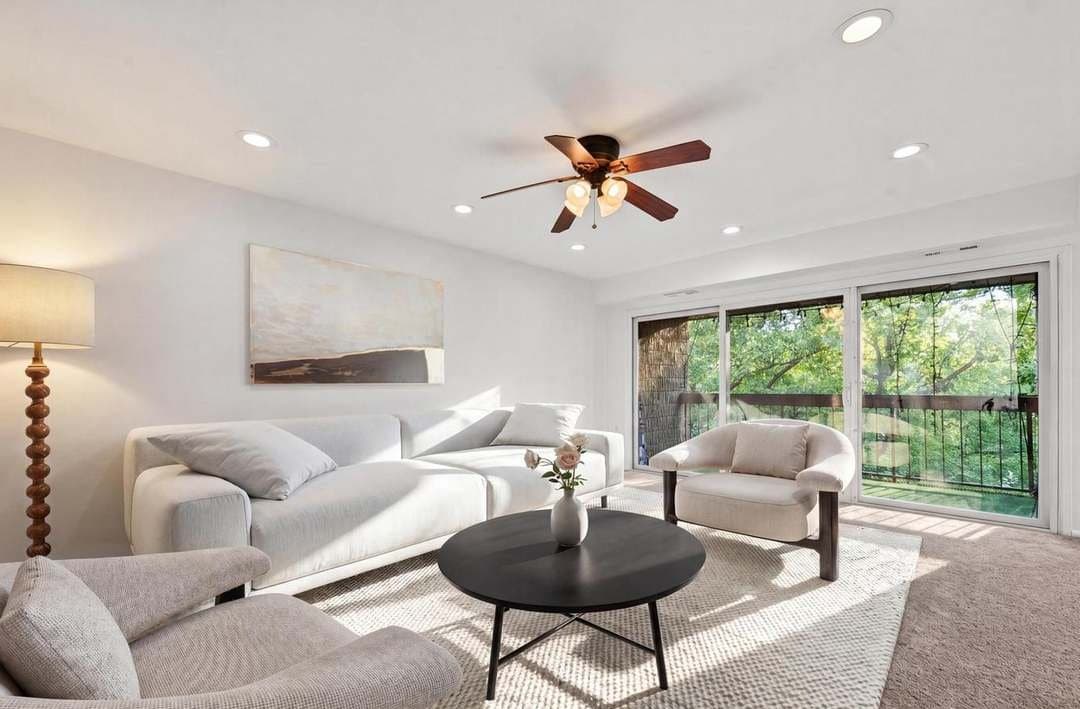
Booking multiple services from the same site visit is almost always cheaper than scheduling them separately, and it's worth asking about specifically rather than assuming it's automatic. A single photographer visit can usually cover photography, drone, and a 3D tour in one trip, which saves the studio a second trip to the property — savings that are commonly passed on as a small bundle discount. It also means everything is timed consistently: the same staging, the same lighting conditions, and one coordinated delivery instead of three separate galleries arriving on different days.
The exception is twilight photography, which by definition can't be bundled into the same visit as daytime shots — it requires its own trip timed to sunset, which is part of why it's priced as a standalone add-on rather than folded into a bundle discount.
Common Pricing Mistakes Agents Make
- —Choosing the cheapest available option regardless of the listing's price point — a $900,000 home marketed with $150 photography undercuts the price point it's trying to justify.
- —Skipping twilight on a listing with strong exterior lighting or a pool, where it would have been one of the highest-impact upgrades available.
- —Not bundling drone with photography when the lot size, acreage, or neighborhood context is actually part of the home's value.
- —Treating video as optional on listings likely to attract out-of-town or relocating buyers, who rely far more heavily on video and virtual tours since they can't easily tour in person.
- —Assuming a listing photo package includes everything needed for a full marketing push, then being surprised when a floor plan or agent intro clip isn't in the gallery.
How to Pick the Right Package
The package that makes sense depends less on your budget and more on what the listing is competing against. A starter home in a fast-moving neighborhood usually just needs clean, well-lit HDR photos — buyers are scrolling quickly and want an accurate, attractive representation, not a cinematic experience. A luxury listing is a different conversation: the photography is part of how the price gets justified, so twilight shots, advanced retouching, and often a 3D tour or video earn their cost back by supporting a higher list price and a faster sale.
New construction and builder listings tend to benefit most from a recurring arrangement rather than a one-off shoot, since progress photography and model home updates happen on a schedule tied to the build, not a single listing date. Commercial and multifamily properties are almost always priced per project because the deliverables — offering memorandums, leasing sites, investor decks — vary so much from one property to the next.
Why This Is Worth Budgeting For
Photography is one of the only marketing costs on a listing that buyers actually see before they decide whether to schedule a showing. A listing's online photos are effectively its first — and sometimes only — impression, and every other marketing dollar spent on that listing depends on the photos being good enough to earn a showing in the first place. A print flyer, a social post, a syndicated listing on a third-party site: all of it is downstream of the same photo gallery.
Treating photography as a line-item expense to minimize, rather than the foundation the rest of the marketing plan sits on, is usually the more expensive mistake in the long run. A home that sits on the market longer because the photos underrepresented it typically costs the seller far more in carrying costs and price reductions than the difference between a basic and a premium photography package ever would have.
If you're not sure which package fits a specific property, that's a conversation worth having before booking — tell us about the listing and we'll recommend the right package for it.
Ready to book a shoot?
Tell us about the listing and we'll recommend the right package.