
3D & Virtual Tours
3D Tours vs. Traditional Photography: Which Does Your Listing Need?
By Gary Murray · February 20, 2026
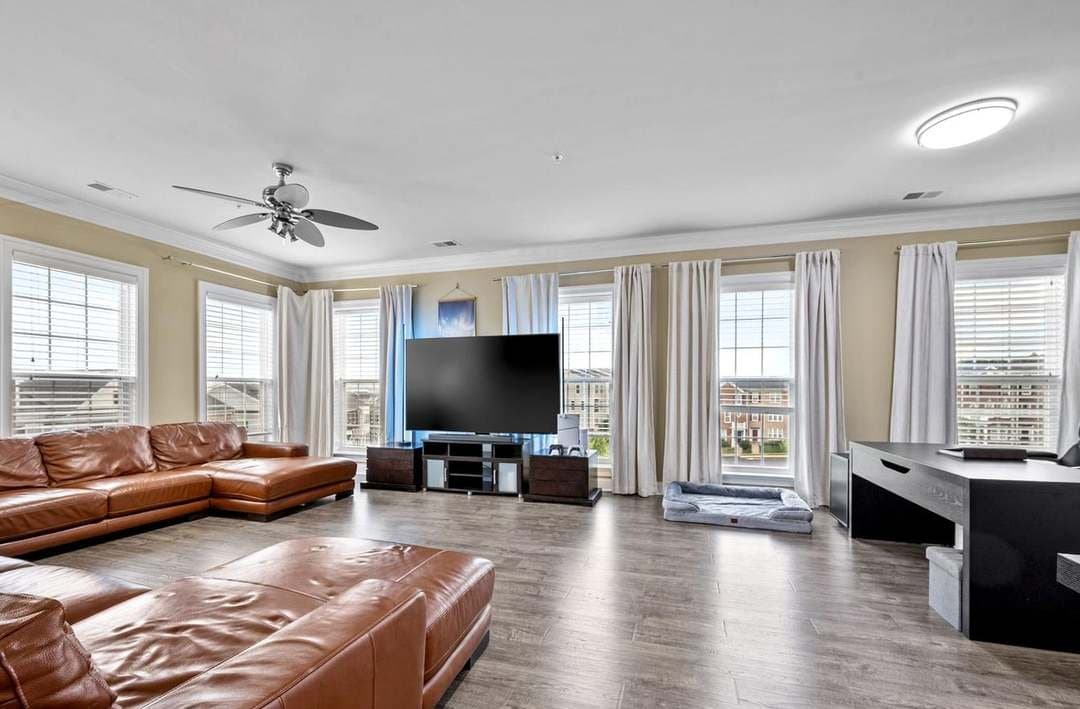
This question comes up on almost every listing consultation: do we need a 3D tour, or is photography enough? The honest answer is that they're not competing formats — they solve different problems, and the right call depends on who's looking at the listing and from how far away.
What Photography Does Best
Traditional photography is built for speed. A buyer scrolling listings on their phone decides in seconds whether a home is worth a second look, and a strong set of photos — a great hero exterior shot, a bright kitchen, an inviting living room — is what earns that second look. Photos are also what populate every syndication site, social post, and print flyer, so they do double duty as both the first impression and the ongoing marketing asset for the life of the listing.
What photography doesn't do well is convey how spaces connect to each other. A buyer can see that the kitchen is bright and the primary bedroom is spacious, but they can't easily tell how far the kitchen is from the primary bedroom, whether the layout is open or chopped up, or what it feels like to walk from one to the other.
How 3D Tours Actually Work
A 3D tour is captured using a specialized camera system that scans each room from multiple fixed points, recording depth data alongside standard imagery. Those scans are then stitched together into a single explorable model — the format most people recognize from Matterport-style listings — that lets a viewer click through a dollhouse view, walk room to room, or drop into a full 360-degree view from any point in the home. The same capture also generates an accurate floor plan automatically, since the depth data used to build the 3D model doubles as the measurements needed for a floor plan.
What 3D Tours Do Best
A 3D/360 tour solves exactly the problem photography can't: it lets a buyer navigate the home room to room, on their own schedule, from any device — which is especially valuable for out-of-town buyers, relocation clients, or investors who can't tour every property in person. A 3D tour also tends to pre-qualify interest more effectively than photos alone: buyers who take a full tour and then request a showing are usually further along in their decision than someone who only saw photos, which means the showings that do happen tend to be with more serious buyers.
The tradeoff is that a 3D tour takes longer to consume than a photo gallery — most buyers won't complete a full walkthrough of every listing they browse, which is why 3D tours work best as a second-stage tool for buyers who are already interested, rather than the first thing that catches someone's attention in a search result.
When to Use Both Together
For most listings above a certain price point, or any listing likely to attract out-of-area or relocating buyers, the two formats work best together rather than as a choice between them. Photography earns the click and populates every marketing channel; the 3D tour then lets a genuinely interested buyer explore the home in depth before ever scheduling an in-person showing — which tends to mean the showings that do happen are with more serious, better-informed buyers who arrive already familiar with the layout.
Listings where a 3D tour on its own (without full photography) makes less sense are usually fast-moving, lower-price-point homes where buyers are moving quickly and a full walkthrough experience isn't the deciding factor — for those, solid photography alone is often sufficient, and the 3D tour's cost is better spent elsewhere.
Common Objections to 3D Tours (And Why They Don't Always Hold Up)
- —"Nobody actually uses them" — engagement varies by price point and buyer type, but tours consistently see meaningful use on listings with out-of-area interest, where a full walkthrough is the only substitute for an in-person visit.
- —"It's redundant with photography" — it isn't; it answers a spatial question (how do these rooms connect?) that photography structurally can't answer.
- —"It's expensive" — in practice it's usually the smaller line item compared to the photography package it's paired with, not the larger one.
- —"It takes too long to shoot" — the capture itself typically adds a modest amount of time to an existing photography visit rather than requiring a separate trip.
Cost Comparison
Photography and 3D tours are priced independently, and a 3D tour is generally the smaller line item of the two. Standard HDR photography packages typically start under $250 for an average-size home, while 3D/360 tours are commonly priced starting around $149 for smaller homes and scaling up with square footage — usually landing well under the cost of the photography package itself. Booking both from the same visit is typically more efficient than scheduling them separately, since the same site visit can cover both captures.
MLS and Zillow Compatibility
One practical note worth knowing: modern 3D tours are generally built to embed directly into MLS listings and into Zillow's 3D Home feature, so the tour doesn't just sit on a separate link — it shows up in the same places buyers are already looking for photos. That compatibility is part of why 3D tours have become a standard add-on rather than a novelty: they slot into the existing listing workflow instead of requiring a separate marketing channel.
Not sure which combination fits your listing? Take a look at full pricing for both, or book a shoot and we'll help you decide.
Ready to book a shoot?
Tell us about the listing and we'll recommend the right package.